Improving Access to Healthcare in Remote Villages of Bihar
Delivering Essential Medical Care in India’s Poorest State
The state of Bihar faces extreme poverty, widespread malnutrition, and limited access to healthcare. In the villages surrounding Bodhgaya, most families rely on small-scale farming, often insufficient to meet basic needs. Low incomes and harsh living conditions have a direct impact on health.
Each winter, our teams treat between 1,000 and 1,200 patients.
63 % of pregnant women suffer from anemia
43 % of children under five experience stunted growth
41 % of the population are underweight
Regular Medical Outreach in Villages Around Bodhgaya
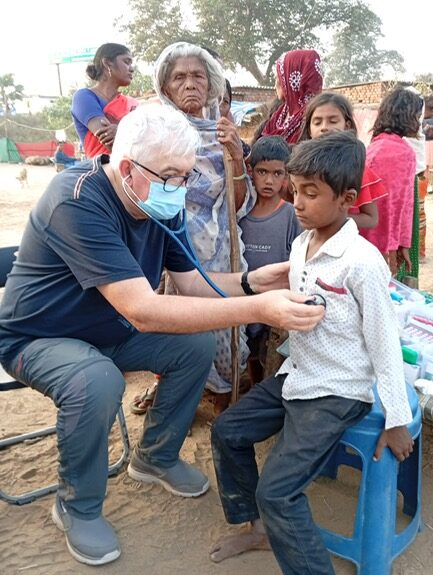
Since winter 2019, our medical missions have taken place every year from December to February. We provide regular follow-up in around twenty rural villages, returning systematically to the same communities to ensure continuity of care.
We also intervene in new villages when urgent or persistent situations are reported. Accustomed to mobile and itinerant medicine, the association operates with strong adaptability and constant responsiveness in the field.
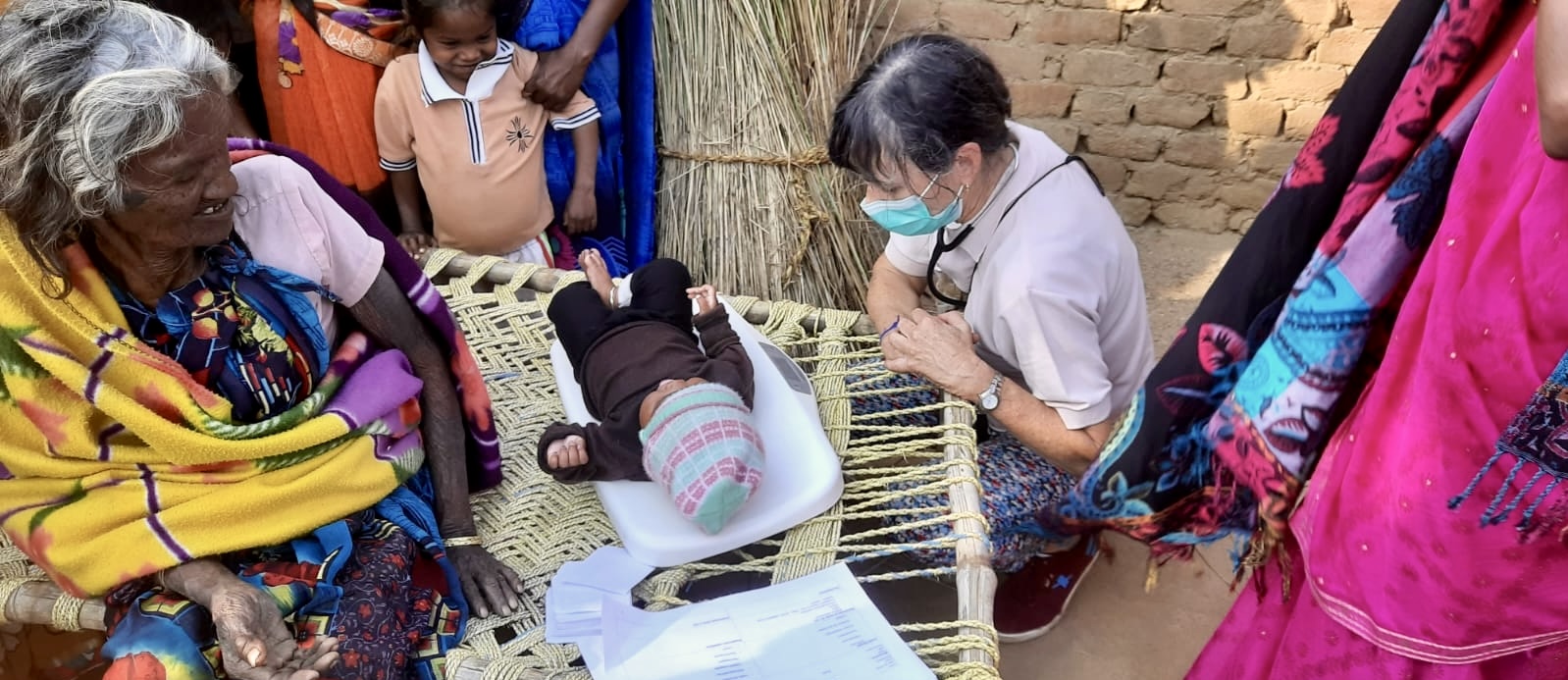
During each mission, our teams provide primary care consultations, health screenings, distribution of medicines, and follow-up for chronic conditions.
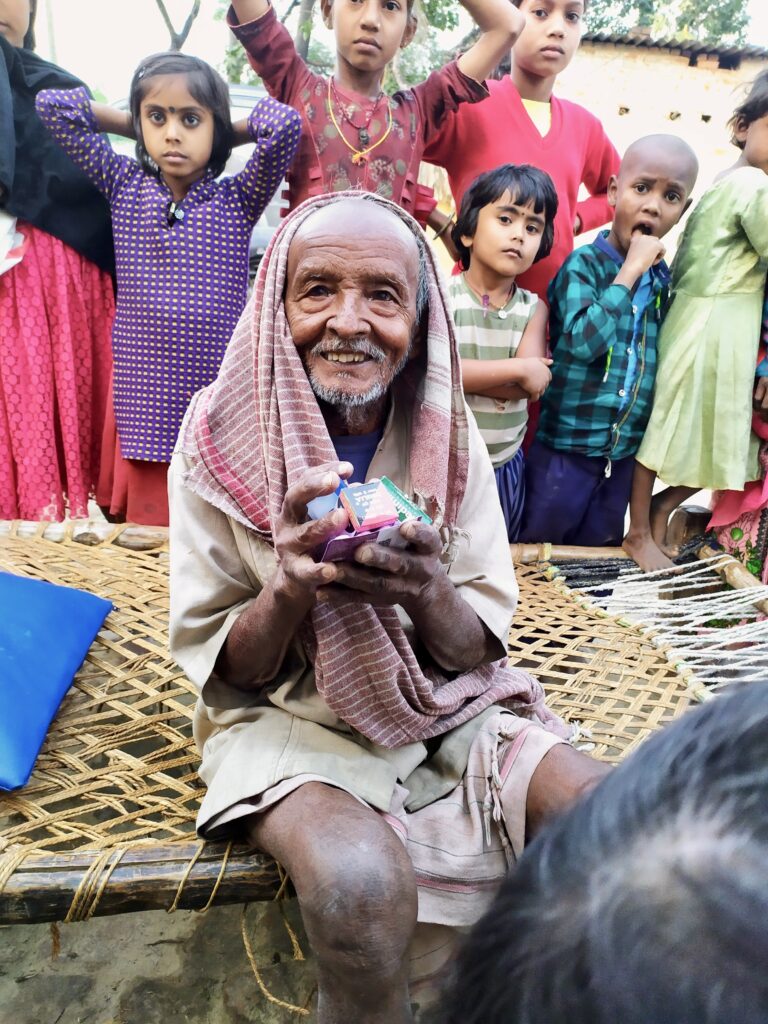
This mobile approach allows us to reach isolated families who are unable to travel to hospitals.
Main Medical Conditions Treated
Joint pain and rheumatic conditions (lower back pain, knee pain, tendinitis) are among the most common reasons for consultation. These conditions are directly linked to agricultural work carried out in cold, damp, and windy conditions, as well as repetitive physical labor.
Respiratory infections are also widespread: bronchitis, ear infections, colds, and asthma attacks regularly affect both adults and children.
Skin diseases represent another significant share of consultations. Scabies, fungal infections, eczema, and impetigo are common, often exacerbated by poor hygiene conditions. Among children, we also frequently observe ENT disorders, fevers, and skin conditions.
Some illnesses are aggravated by difficult living conditions, particularly liver diseases linked to the consumption of illicit alcohol, despite the official alcohol ban in the state of Bihar.
Women are especially affected due to intense agricultural labor, heavy domestic responsibilities, repeated pregnancies, anemia, chronic fatigue, gynecological disorders, and, in some cases, domestic violence.
Finally, chronic malnutrition and nutritional deficiencies are major aggravating factors. They weaken the body and explain why many accidental wounds heal poorly, even when appropriate medical care is provided.
Supporting Families Beyond Medical Care
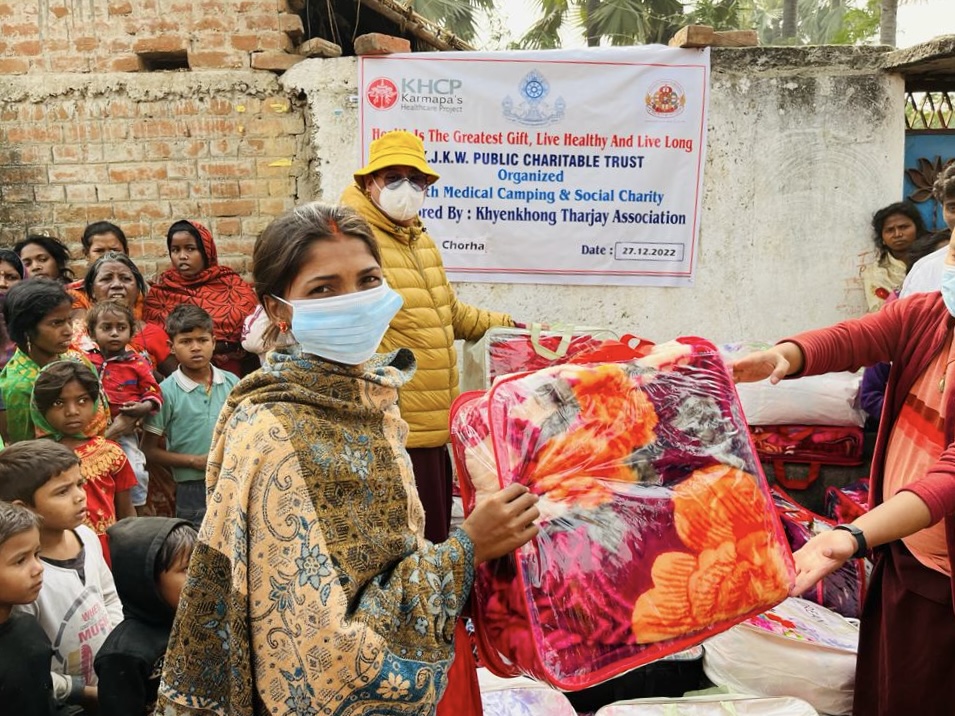
In addition to medical treatment, our humanitarian medical association provides material support when necessary. During the COVID-19 pandemic, the association mobilized to distribute enriched food parcels.
With the financial support of the Karmapa Health Care Project (KHCP), more than 150 families received food assistance during this crisis.
In winter, warm blankets are distributed to families most exposed to cold conditions in villages across Bihar.
Actions Made Possible by Our Volunteers
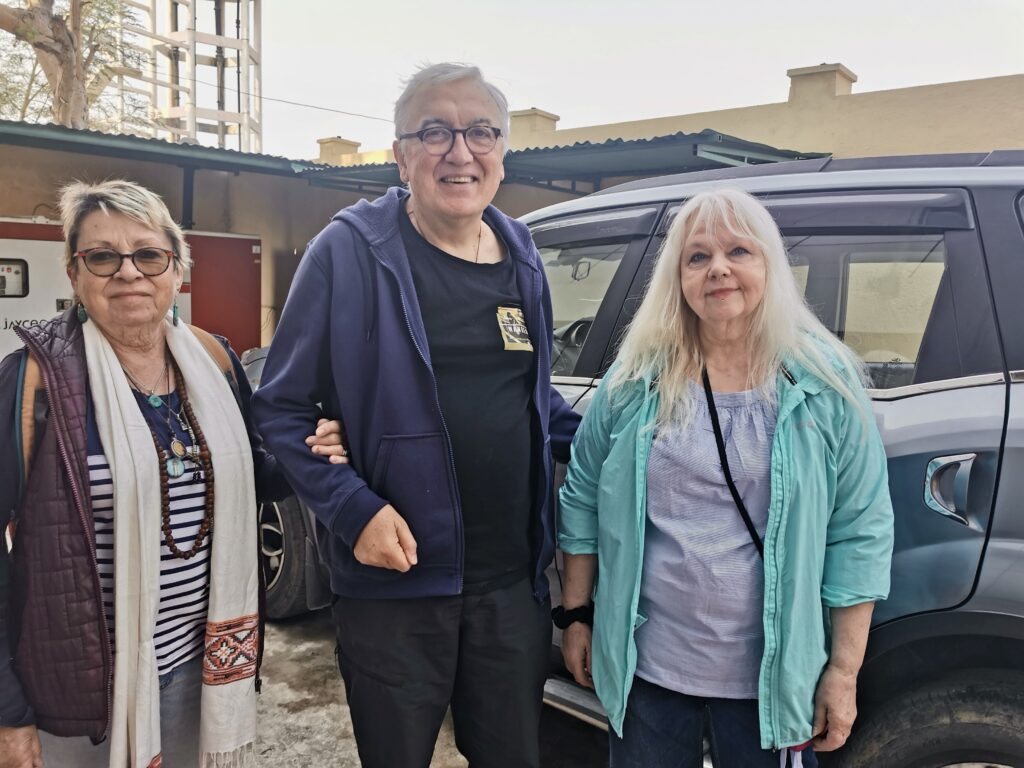
Khyenkong relies on the commitment of volunteer doctors, nurses, logisticians, interpreters, and local drivers.
Doctor-nurse teams provide medical care, supported by a logistics coordinator. Our local coordinator, Sonam Topchen, organizes village routes, manages interpreters, and coordinates transportation.
Depending on needs, additional professionals may join missions, including physiotherapists, osteopaths, and emergency physicians.
The 2024-2025 mission involved five doctors, one advanced practice nurse, and one physiotherapist.
Our Impact at a Glance
Supporting Our Medical Missions
Our medical missions can only continue thanks to the support of those who believe in our work. To keep providing free consultations in remote villages, strengthen prevention efforts, and improve field conditions, we rely on appropriate financial and material resources.
Your contribution helps us purchase essential medicines, fund daily travel, strengthen on-site logistics, and ultimately acquire a fully equipped vehicle to reach the most isolated areas.
We are also looking for medical and paramedical volunteers, including doctors, nurses, physiotherapists, and osteopaths, as well as logistics profiles to reinforce our teams during winter missions.
Every donation and every commitment directly contributes to providing free healthcare to the most vulnerable families in Bihar.
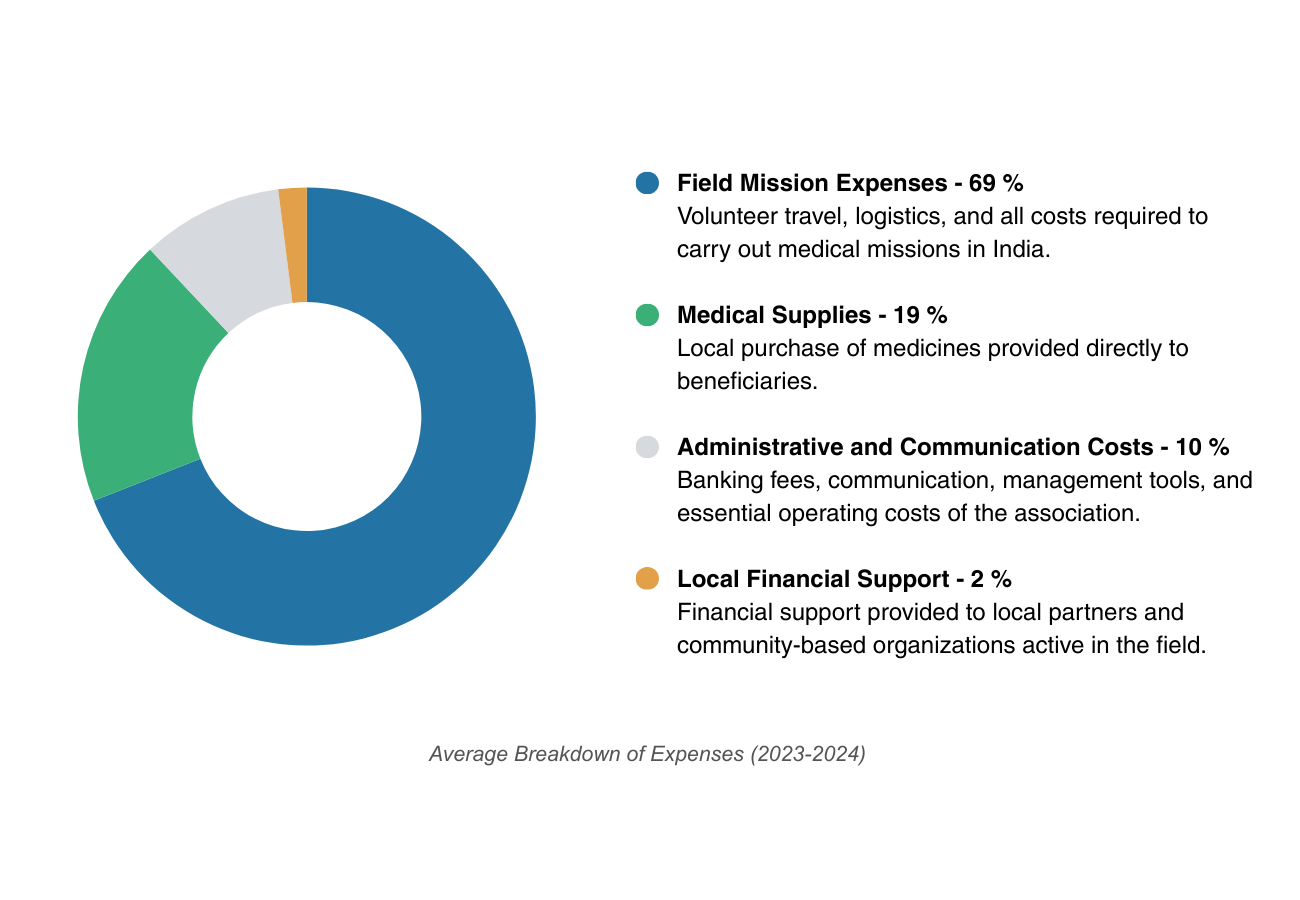
How Your Donations Are Used
Transparency is essential to us. We clearly explain how donations are allocated.
90% of the association’s expenses are directly dedicated to field operations and local support.
The data presented reflects an average over the 2023-2024 period.